
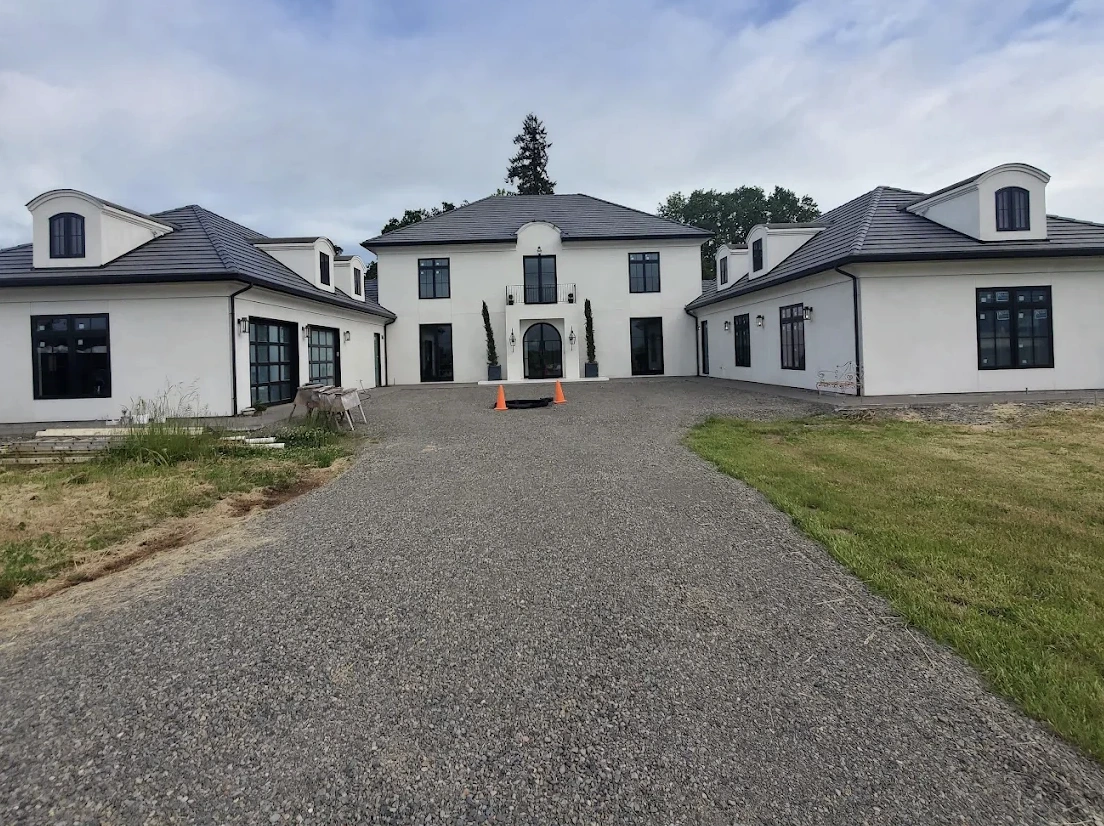
Few materials connect an Austin home to the Hill Country landscape the way stone does. The limestone ledges along Barton Creek, the weathered rock walls in Dripping Springs, the stacked stone chimneys in Bee Cave — natural stone is woven into the architectural identity of Central Texas. But full-thickness natural stone is heavy, expensive, and requires structural support that not every wall can provide.
That is where thin stone veneer comes in. It delivers the authentic look and texture of stone at a fraction of the weight and cost, and it can be applied to surfaces that would never support full-thickness stone. Whether you are adding a stone accent to a fireplace, wrapping a kitchen island, creating a dramatic exterior entry wall, or blending stone with stucco on a Hill Country home, thin stone veneer is one of the most versatile materials available to Austin homeowners.
What Is Thin Stone Veneer?
Thin stone veneer is stone that has been cut or manufactured to a thickness of roughly one to one and a half inches, compared to three to six inches for full-thickness natural stone. That reduced thickness means it weighs dramatically less per square foot, which eliminates the need for structural ledges, heavy-duty lintels, and foundation modifications in most applications. It can be applied directly to prepared wall surfaces with mortar or adhesive, much like installing tile.
Thin stone veneer comes in two main categories: natural and manufactured.
Natural Thin Stone Veneer
Natural thin stone veneer is real stone — quarried from the earth and cut to a uniform thin profile on a saw. It has all the color variation, texture, and geological character of the original stone because it is the original stone, just thinner. Popular natural stone types for Austin homes include:
- **Texas limestone** — The quintessential Hill Country stone. Creamy whites, warm tans, and soft grays that blend effortlessly with the local landscape. Available in ashlar (rectangular cut), ledgestone, and chopped varieties.
- **Austin stone** — A specific style of irregularly shaped limestone pieces that has been a staple of Texas architecture since the 1940s and 1950s. You see it on thousands of homes across Austin, Round Rock, and Georgetown.
- **Lueders limestone** — Quarried in West Texas, known for its distinctive buff and cream tones with natural fossils visible in the surface.
- **Slate and quartzite** — Darker, more dramatic stones used as accents, particularly popular for fireplace surrounds and feature walls.
The advantage of natural thin veneer is authenticity — no two pieces are exactly alike, and the material ages beautifully over decades. The trade-off is somewhat higher material cost and the natural variation that requires a skilled installer to create a balanced, attractive layout.
Manufactured Stone Veneer
Manufactured stone veneer (also called cultured stone or faux stone) is made from concrete, aggregate, and iron oxide pigments cast in molds taken from real stone. High-quality manufactured veneer is remarkably convincing — from a few feet away, most people cannot distinguish it from natural stone. Major brands include Eldorado Stone, Coronado Stone, and Dutch Quality.
Manufactured veneer costs 20 to 40 percent less than natural stone, weighs less, offers consistent sizing, and comes in a wide variety of profiles — stacked stone, ledgestone, fieldstone, river rock, brick, and more. The trade-off is that it does not have the geological depth and aging character of real stone. In direct sunlight, molded patterns can sometimes repeat visibly, and the material does not develop the natural patina that real stone does over time.
Popular Applications in Austin Homes
Thin stone veneer is one of the most versatile exterior and interior accent materials. Here are the applications we install most often across the Austin metro:
Exterior Accent Walls and Entries
Combining stucco and stone is a defining look of Hill Country architecture. A common approach is a full stucco exterior with natural stone veneer on the entry columns, the lower third of the front elevation, or a feature wall. This blends the seamless sweep of stucco with the weight and warmth of stone, and it is a style you see throughout Lakeway, Bee Cave, Westlake Hills, and Steiner Ranch.
Fireplaces
A floor-to-ceiling stone fireplace is one of the highest-impact upgrades you can make to a living room. Thin stone veneer makes it achievable on virtually any wall — including interior walls that could never support full-thickness stone. Stacked ledgestone and dry-stack profiles are especially popular in Austin's modern farmhouse and transitional-style homes.
Kitchen Islands and Backsplashes
Stone veneer on a kitchen island base or as a backsplash accent adds texture and warmth to a space dominated by smooth countertops and cabinetry. It works particularly well in open-concept Austin homes where the kitchen is visible from the main living area.
Exterior Wainscoting and Outdoor Living
Running stone veneer along the lower two to four feet of an exterior wall adds durability and visual weight at grade level. Austin's outdoor lifestyle also makes stone veneer a natural fit for outdoor kitchen bases, seat walls, and fire pit surrounds — bringing the Hill Country aesthetic into your backyard at a fraction of the cost of full-thickness masonry.
Cost of Thin Stone Veneer in Austin
Pricing depends on the stone type, the profile, the surface area, and installation complexity. As a general guide for the Austin market in 2026:
| Component | Typical Cost Range |
|---|---|
| Natural thin stone veneer (material) | $8–$18 per sq ft |
| Manufactured stone veneer (material) | $6–$14 per sq ft |
| Installation labor | $10–$18 per sq ft |
| Total installed (natural) | $18–$36 per sq ft |
| Total installed (manufactured) | $16–$30 per sq ft |
A fireplace surround might run $2,500 to $6,000 installed. A front entry accent wall could range from $4,000 to $10,000 or more depending on size and stone type. These are estimates — an on-site measurement gives you the accurate number.
Installation Process
Proper installation is what separates a stone wall that lasts decades from one that delaminates in a few years. The process follows five steps:
- **Surface preparation** — On wood-framed walls, this means installing a weather-resistive barrier, metal lath, and a scratch coat. On concrete or masonry, cleaning and a bonding agent may be sufficient.
- **Layout** — Dry-fitting stone pieces to create a balanced, natural-looking pattern, especially important with natural stone where sizes vary.
- **Setting** — Each stone is butter-coated with mortar and pressed firmly into the scratch coat. Joints are maintained at the desired width.
- **Grouting** — Joints are filled and tooled for profiles with visible mortar. Dry-stack profiles use tight-fitted stones with minimal visible mortar.
- **Cleaning and sealing** — Excess mortar is cleaned, and a breathable sealer may be applied to protect against moisture and staining.
Maintenance
Thin stone veneer is low-maintenance but not maintenance-free:
- **Clean annually** with a garden hose and soft brush. Avoid pressure washing at high pressure, which can damage mortar joints.
- **Inspect mortar joints** for cracking or erosion, particularly after Austin's freeze-thaw cycles in winter.
- **Reseal natural stone** every three to five years if a sealer was initially applied, especially on porous limestones that can absorb water and stain.
- **Check for efflorescence** — white mineral deposits that can appear on new stone or mortar. This is typically harmless and fades over time, but persistent efflorescence may indicate a moisture issue.
Austin-Specific Considerations
A few factors are worth keeping in mind when planning a stone veneer project in Central Texas:
- **Hill Country stone availability** — Texas limestone and Austin stone are locally quarried, which keeps shipping costs lower than importing stone from out of state. This is one of the reasons natural stone veneer is cost-competitive in Austin compared to many other markets.
- **Heat and UV** — South- and west-facing stone walls absorb significant heat in summer. Lighter-colored limestones reflect more heat than darker stones, which matters for exterior applications near windows and outdoor seating areas.
- **Blending stone and stucco** — If your home already has stucco, adding stone veneer accents creates a cohesive Hill Country look. The transition detail between stucco and stone matters — a clean, well-flashed joint is important for both aesthetics and moisture management. Our team handles both materials, which ensures a seamless transition.
Get Started
Thin stone veneer is one of the best ways to add character, value, and durability to an Austin home — whether it is a single fireplace wall or a full exterior accent. At Star Stucco of Austin, we install both natural and manufactured stone veneer throughout the Austin metro, and we specialize in the stucco-to-stone transitions that Hill Country homes are known for. Explore our stucco installation services, or contact us for a free estimate on your stone veneer project. As your local Austin stucco contractor, we are here to help you bring the Hill Country home.
Frequently Asked Questions
What is the difference between thin stone veneer and full-thickness stone?
Thin stone veneer is cut or manufactured to roughly one to one and a half inches thick, while full-thickness natural stone is three to six inches or more. The thinner profile weighs significantly less, which means it can be applied to standard wood-framed walls without structural modifications. The appearance is virtually identical — the difference is weight, cost, and installation complexity.
How much does thin stone veneer cost in Austin?
Installed costs in Austin typically range from $16 to $36 per square foot depending on whether you choose natural or manufactured stone and the complexity of the installation. A fireplace surround might cost $2,500 to $6,000, while a front entry accent wall could range from $4,000 to $10,000 or more. An on-site measurement provides the most accurate quote.
Is manufactured stone veneer as durable as natural stone?
High-quality manufactured stone veneer is very durable and will last decades with proper installation and basic maintenance. However, natural stone has the edge in long-term weathering — real stone develops a natural patina over time and does not fade the way pigmented concrete can under prolonged UV exposure. Both are excellent choices for Austin homes.
Can thin stone veneer be installed over existing stucco?
In some cases, yes. If the existing stucco is sound and well-bonded to the wall, thin stone veneer can be applied over it with the right preparation and adhesive system. If the stucco is cracked, delaminating, or has moisture issues, those problems need to be addressed first. A professional assessment determines whether your existing surface is a suitable substrate.