
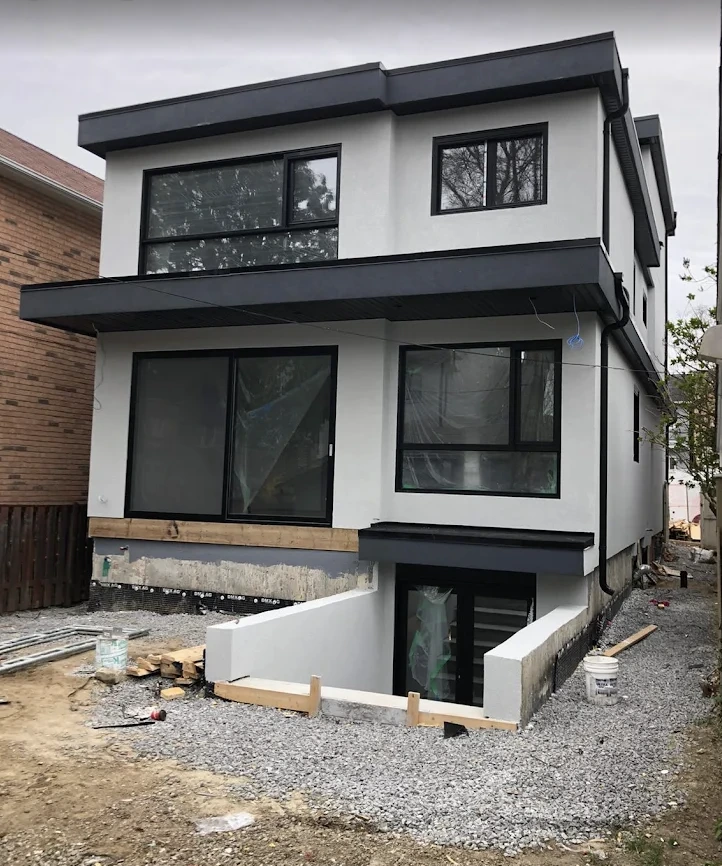
Stucco color is permanent in a way that paint color is not. When you choose an integral stucco color — pigment mixed into the finish coat itself — that color becomes part of the material. It does not peel, and it fades much more slowly than paint. That makes the color decision more important and more lasting than choosing a paint swatch.
Here are the stucco color trends we are seeing across Austin projects in 2026, organized by architectural style.
Warm Neutrals: The Austin Standard
Warm neutrals remain the most popular stucco colors in Austin by a wide margin. These tones complement the natural Hill Country landscape — the warm limestone, live oaks, and golden grasses — and work with virtually every architectural style.
**Warm white and cream** tones are the single most requested color family. They give homes a clean, bright appearance without the stark coldness of pure white. These colors reflect heat well, which is a practical advantage in Austin summers, and they pair naturally with dark wood, metal, and stone accents.
**Sand and tan** tones are a close second. These earth-toned neutrals ground a home in the landscape and age gracefully. They are especially popular on Hill Country and Tuscan-style homes in areas like Westlake Hills, Barton Creek, and Bee Cave.
**Warm gray** has gained significant ground over the past few years. It splits the difference between the softness of beige and the modernity of cool gray, working well on transitional and contemporary homes in neighborhoods like Mueller and East Austin.
Bold Modern Whites
On contemporary and modern homes — increasingly common in Austin's urban core and new developments — crisp whites and near-whites are dominant. These are not the warm creams of traditional Austin homes. They are brighter, cooler-toned whites that create sharp contrast against dark window frames, metal panels, and flat rooflines.
The key to using white stucco in Austin is finish selection. A smooth finish in pure white looks intentionally modern. The same white on a heavy dash or lace texture can read unfinished. We help homeowners match the color intensity to the right stucco texture for a cohesive result.
Earth Tones for Hill Country
Deeper earth tones — terracotta, adobe, warm brown, and olive — are a niche but enduring choice in the Hill Country communities west of Austin. These colors reference the Southwestern and Mediterranean traditions and tie homes visually to the surrounding terrain.
Earth tones work best on homes with natural stone accents, clay tile roofs, and heavy timber details. In neighborhoods with architectural review standards — common in Westlake, Barton Creek, and Lakeway — these tones often align with approved palettes.
How Stucco Color Is Applied
There are two approaches to stucco color:
**Integral color** is pigment mixed directly into the stucco finish coat. It is the more durable option because the color goes all the way through the material. Chips and abrasions do not expose a different color underneath. Integral color does not peel and resists fading better than paint. This is the method we recommend for most projects.
**Painted stucco** involves applying a base stucco in a neutral tone and then painting over it with exterior masonry paint. This is less expensive initially and gives you more flexibility to change colors later, but the paint will need refreshing every 7 to 10 years. For more on painting stucco, see our guide on painting over stucco.
Choosing a Color That Lasts
A few practical considerations for choosing stucco color in Austin:
**Lighter colors last longer.** Austin's UV index is among the highest in Texas. Darker colors absorb more UV radiation and heat, which accelerates fading. A medium tan will show more fading over 15 years than a warm white or cream.
**Test in natural light.** Stucco color looks different on a small swatch versus a full wall, and it shifts dramatically between morning shade and afternoon sun. We apply test patches on the actual wall surface so you can evaluate the color at different times of day before committing.
**Consider the surroundings.** Your roof color, window trim, landscape, and neighboring homes all affect how a stucco color reads. A warm cream that looks perfect next to limestone may clash with a cool-toned metal roof. We help you evaluate the full palette.
**HOA and review boards.** Many Austin communities — Sun City in Georgetown, Barton Creek, Rob Roy, and others — have specific approved color palettes. We are familiar with these standards and can help you select a color that complies while still expressing your personal style.
What We Recommend
For most Austin homes, we recommend warm neutral integral colors — warm white, cream, sand, or warm gray — applied in a finish texture that complements the home's architectural style. These colors are timeless, resist fading in Texas sun, and work with the widest range of accent materials.
See Colors in Person
Choosing a stucco color from a screen is unreliable. Contact Star Stucco of Austin to schedule a free consultation where we bring physical samples and can apply test patches on your home. Call (512) 706-9699.
Frequently Asked Questions
What is the most popular stucco color in Austin?
Warm white and cream tones are the most popular stucco colors in Austin. They complement the Hill Country landscape, reflect heat in summer, and work with nearly every architectural style. Sand and warm gray are close seconds.
Does stucco color fade in Texas sun?
All stucco colors fade gradually over time, but integral colors (pigment mixed into the finish coat) fade much more slowly than painted surfaces. Lighter colors resist fading better than dark tones because they absorb less UV radiation.
Can you change the color of existing stucco?
Yes. You can paint over existing stucco with exterior masonry paint, or a contractor can apply a new finish coat in a different integral color. Painting is the faster and less expensive option; a new finish coat lasts longer but costs more.