
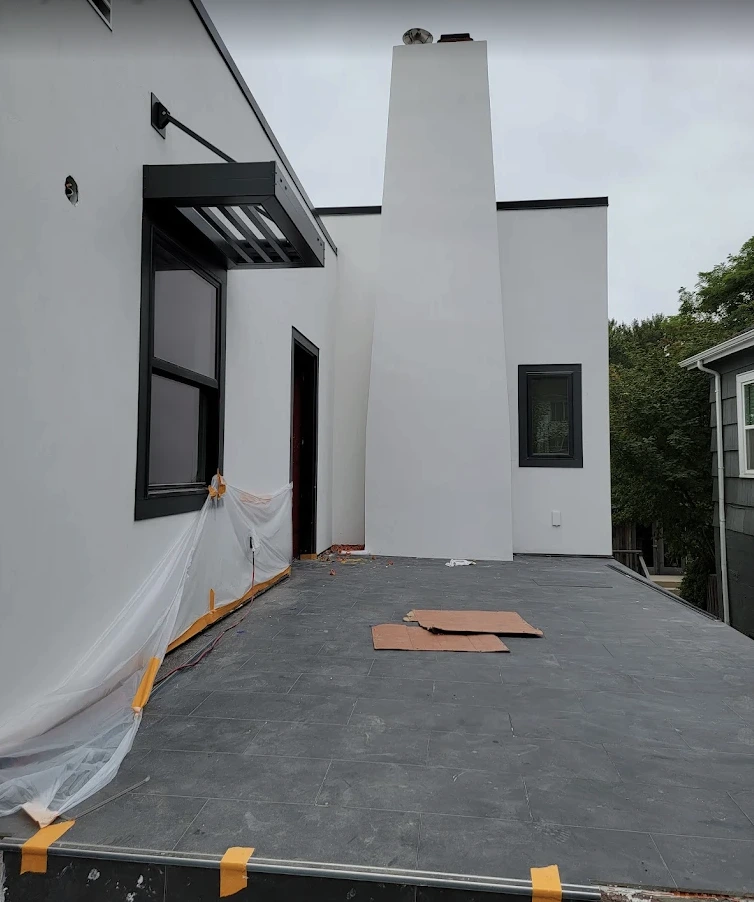
Stucco is one of the most rewarding exterior finishes you can put on an Austin home, but it is also one of the most unforgiving when installed poorly. A bad stucco job cracks within a year or two, traps moisture behind the wall, and ends up costing far more to tear off and redo than the original installation. The difference between a stucco job that lasts five years and one that lasts fifty almost always comes down to who did the work.
Austin has no shortage of contractors who will bid on a stucco project. The challenge is telling the experienced professionals from the ones who learned stucco on YouTube last month. This guide walks you through exactly what to look for, what to avoid, and the specific questions you should ask before handing anyone a deposit.
Verify Licensing and Insurance
Texas does not require a state-level stucco license, which means the barrier to entry is low and the quality range is wide. That makes your own vetting process even more important.
At a minimum, any contractor you consider should carry:
- **General liability insurance** — protects your property if something goes wrong during the job
- **Workers' compensation insurance** — covers their crew if someone is injured on your property; without it, you could be liable
- **A current City of Austin or county trade registration** if required by your jurisdiction
Ask for certificates of insurance and verify them directly with the insurer. A legitimate contractor will hand these over without hesitation. If a contractor dodges this question or says they are "between policies," walk away.
Look for Relevant Experience
Stucco is a craft, and experience with the specific system and climate matters. A contractor who has plastered hundreds of homes in Phoenix may still struggle with Austin's expansive clay soils, seasonal humidity swings, and the thermal cycling that comes with 100-degree summers followed by occasional hard freezes.
When evaluating experience, ask about:
- **Years in business in the Austin area** — local climate and soil knowledge are hard to learn from a textbook
- **The specific stucco systems they install** — three-coat cement, one-coat, EIFS, and veneer plaster are all different skill sets
- **Volume and type of projects** — residential, commercial, new construction, and repair each require different expertise
- **Familiarity with Austin building codes** and inspection requirements
A contractor who specializes in stucco will answer these questions in detail. A general handyman who "also does stucco" usually cannot.
Check References and Completed Work
Ask for at least three references from projects completed in the last two years, and actually call them. Good questions to ask previous clients include:
- Did the project finish on time and on budget?
- How did the crew handle unexpected issues?
- How does the stucco look now, a year or two later?
- Would you hire them again?
Better yet, ask to see completed projects in person. Drive by and look at the finish quality, the condition of edges and transitions, and whether you can see control joints placed at logical intervals. A stucco job that looks great from twenty feet but falls apart up close tells you everything you need to know.
Understand the Bid
A professional stucco bid should be detailed and specific. Be cautious of any estimate that is just a single lump-sum number with no breakdown. A good bid includes:
- **Scope of work** — exactly what surfaces are being stuccoed, how many coats, and what finish
- **Materials** — type of stucco system, brand of finish, type of lath and weather barrier
- **Preparation** — what substrate work, flashing, and control joints are included
- **Timeline** — start date, estimated completion, and cure time before painting
- **Warranty** — what is covered, for how long, and what voids it
- **Payment schedule** — a reasonable draw schedule tied to milestones, not a large upfront payment
If one bid is dramatically lower than the others, find out why. Common cost-cutting shortcuts include skipping the scratch coat, using thinner-than-specified lath, omitting control joints, and rushing the cure time between coats. These shortcuts save the contractor money today and cost you money in two years when the cracks appear.
Red Flags to Watch For
Years of stucco work across Travis County have taught us what the warning signs look like. Be wary of any contractor who:
- **Asks for more than 10 to 15 percent upfront** before materials are on site
- **Cannot show proof of insurance** or gets defensive when you ask
- **Has no physical address or local phone number** — transient crews that move from city to city are hard to reach when a warranty claim arises
- **Pressures you to sign immediately** with a "today only" discount
- **Skips the topic of control joints** — properly placed control joints prevent cracking, and any experienced stucco contractor will discuss them without being asked
- **Wants to stucco directly over damaged or wet substrate** without repair
- **Does not mention a weather barrier or lath system** in the bid
Questions to Ask Before Signing
These questions will separate a qualified stucco professional from someone who is not ready for your project:
- What stucco system do you recommend for my home, and why?
- How do you handle control joints?
- What weather-resistive barrier do you use, and how is it detailed around windows and penetrations?
- How many coats will you apply, and what is the cure time between coats?
- Do you have experience with EIFS if my project involves synthetic stucco?
- What does your warranty cover, and for how long?
- Can I see two or three local projects you completed in the last year?
A contractor who answers these questions confidently and specifically is worth your time. One who deflects or gives vague answers is telling you something important.
Why Installation Quality Matters More Than Price
We see it regularly across Austin neighborhoods from East Riverside to Steiner Ranch: homeowners who chose the cheapest bid end up calling for stucco repair within three years. Cracks appear around windows, moisture gets behind the wall, and what started as a $15,000 installation turns into a $25,000 problem. The contractor who did the original work is long gone.
Stucco installed correctly by an experienced crew lasts decades with minimal maintenance. That is not a sales pitch — it is the fundamental economics of the material. Spending an extra 15 to 20 percent on a qualified contractor almost always saves money over the life of the home.
Get Started With Confidence
Choosing the right contractor is the single most important decision in any stucco project. At Star Stucco of Austin, we welcome every question on this list — and we are happy to show you completed projects throughout the Austin metro. Explore our stucco installation services, our stucco finishing options, or our commercial stucco services. When you are ready, request a free estimate and see why homeowners across Central Texas trust us as their Austin stucco contractor.
Frequently Asked Questions
Does a stucco contractor need a license in Texas?
Texas does not require a state-level stucco-specific license, which means quality varies widely. Look for a contractor with general liability insurance, workers' compensation coverage, and any local trade registration required by your city or county. Verified insurance certificates and a solid track record of local work are more meaningful than any single credential.
How many bids should I get for a stucco project in Austin?
Three to four bids is a reasonable range. Getting fewer makes it hard to gauge the market; getting too many creates confusion without adding clarity. Make sure each bid covers the same scope so you are comparing apples to apples, and be cautious of any bid that comes in dramatically lower than the rest.
What is the biggest mistake homeowners make when hiring a stucco contractor?
Choosing on price alone. The cheapest bid often means shortcuts like skipping a coat, omitting control joints, or rushing cure times. These save the contractor money upfront but lead to cracking and moisture problems within a few years. Installation quality is the single biggest factor in how long stucco lasts.
How long should a stucco installation take on a typical Austin home?
A full three-coat stucco installation on a typical 2,000 square foot home usually takes two to four weeks, depending on the complexity, weather, and required cure time between coats. Be wary of any contractor who promises to finish significantly faster, as rushing the cure between coats is a common shortcut that causes cracking.